
Esraa Elfeky
What is beyond you
Opening
20.05.2026
17 – 20h
Milan
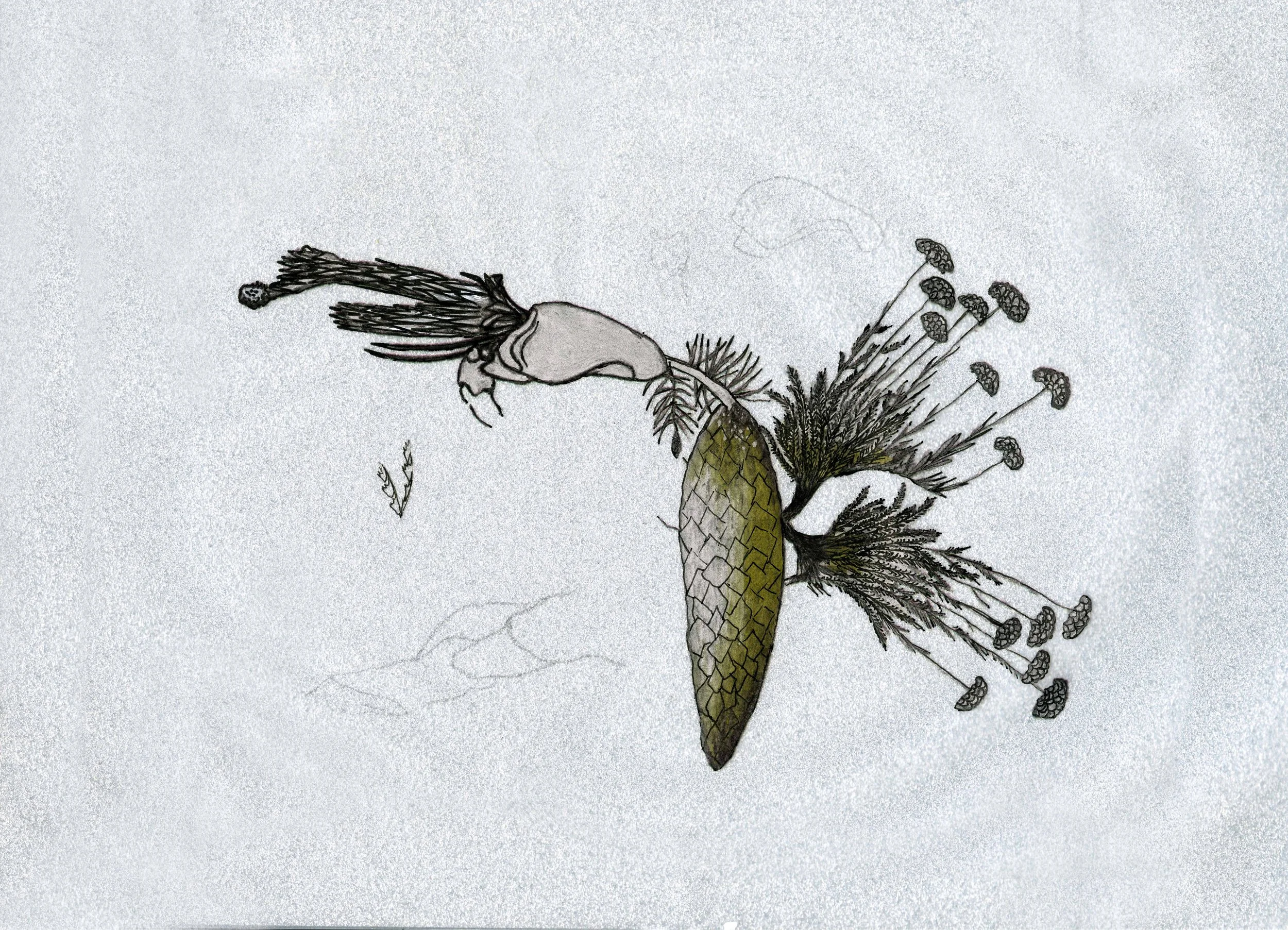
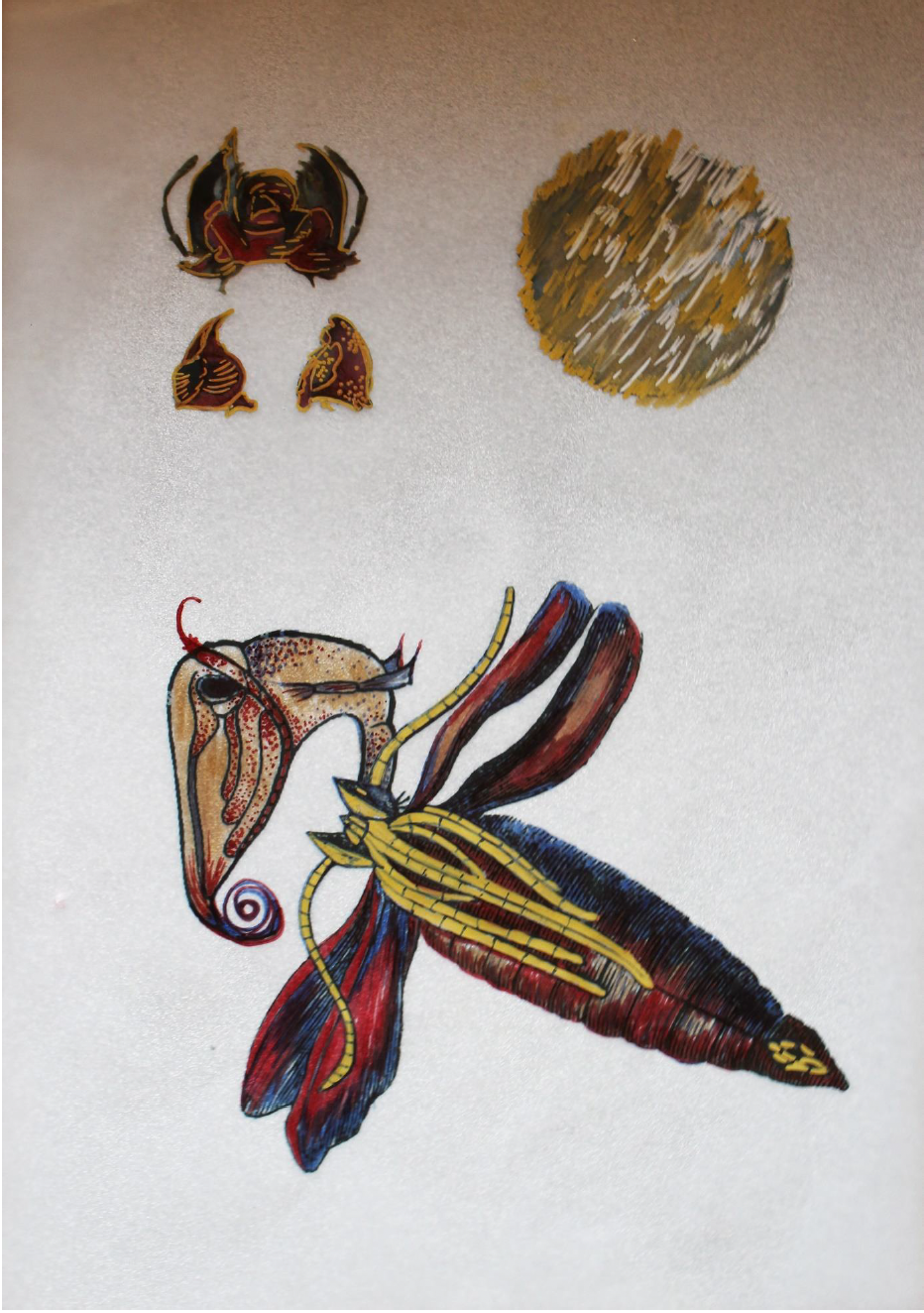
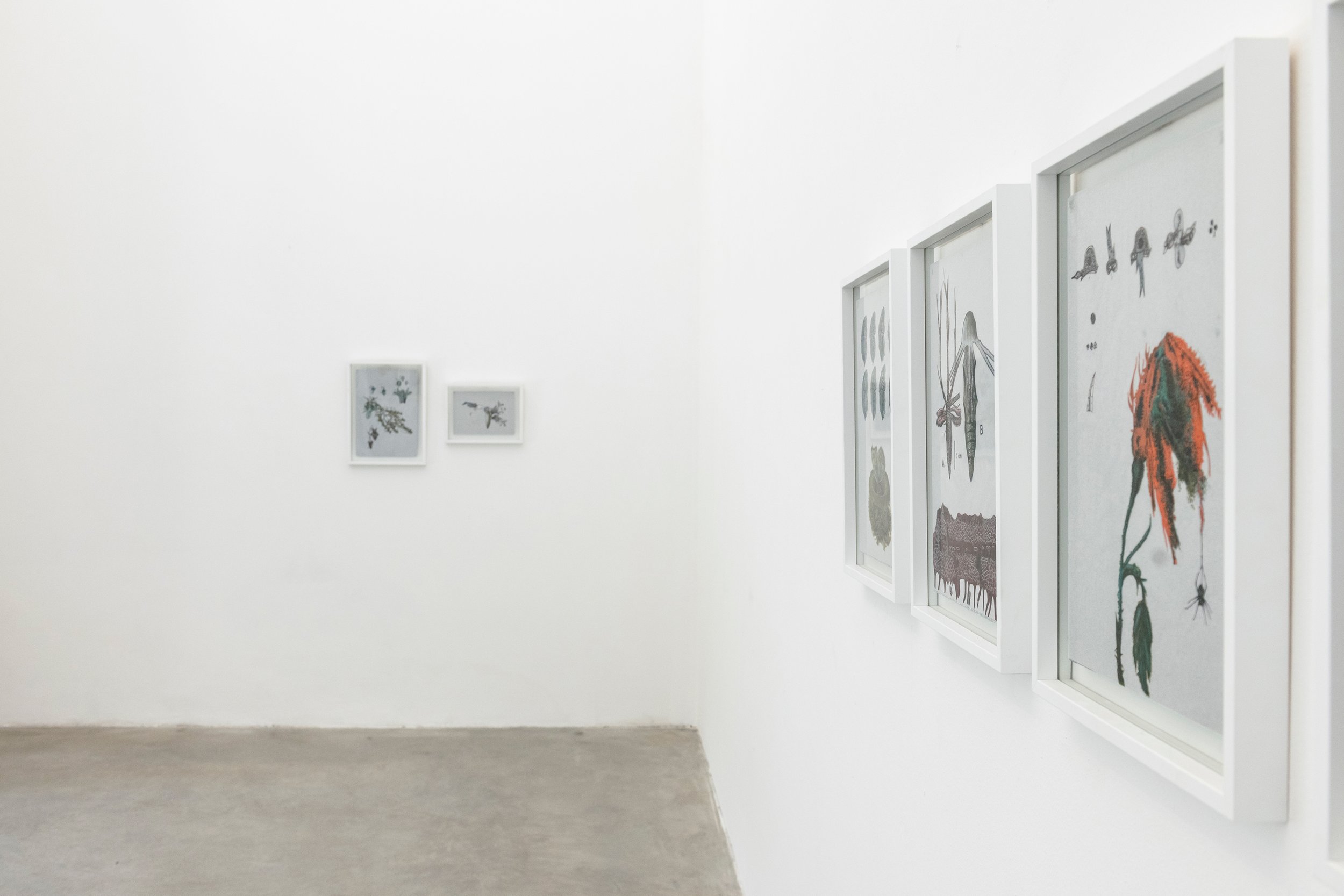
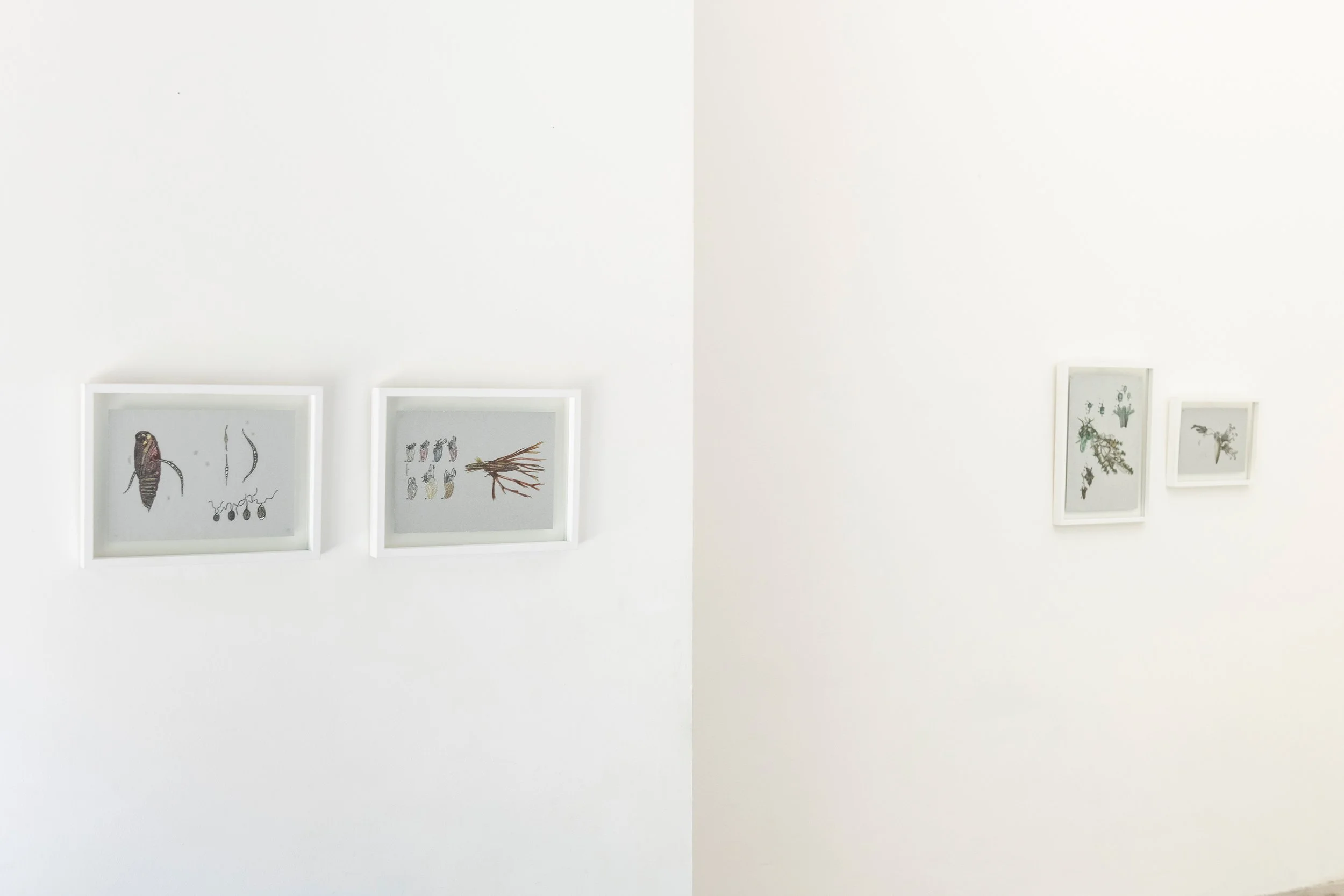
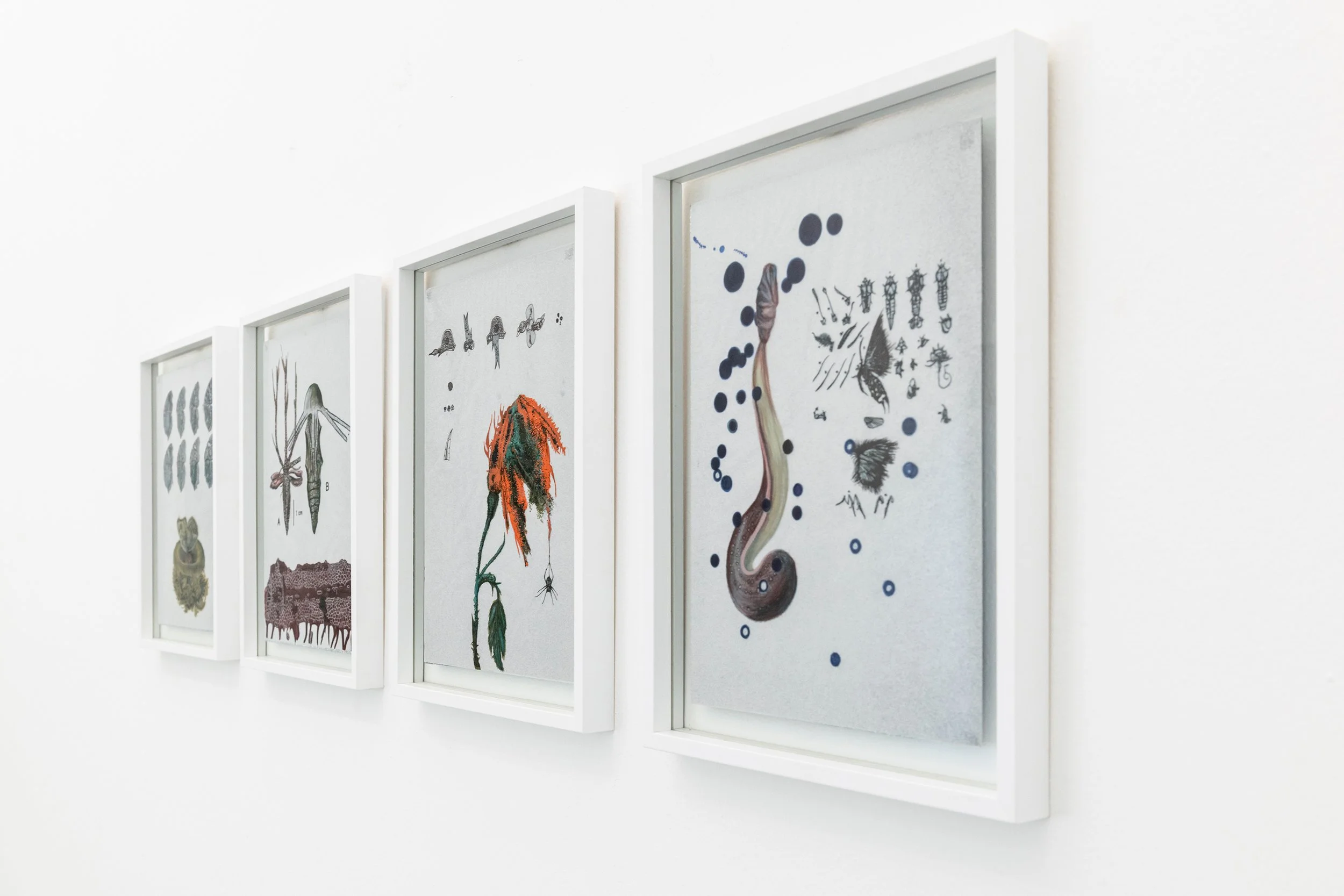
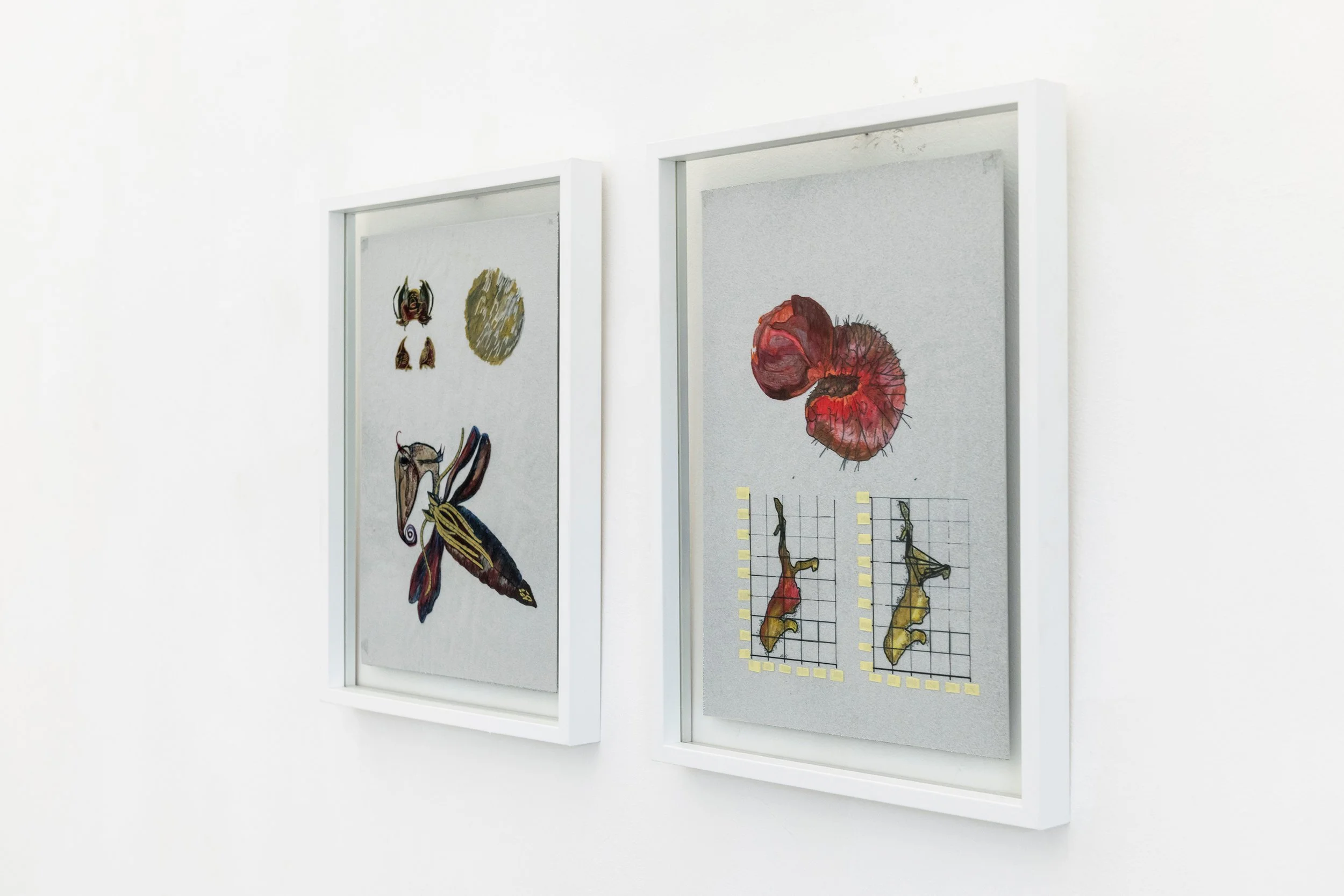
What is beyond you brings together a body of recent drawings by Esraa Elfeky, executed on tracing paper, which define an unstable visual field shaped through layering and perceptual shifts. The transparent support does not function as a neutral surface, but as a device that conditions vision: marks do not settle, but remain suspended, traversed by what precedes and exceeds them.
The works unfold through processes of accumulation and minimal variation. Rather than producing autonomous images, Elfeky constructs a serial structure, an open constellation in which recurring forms derived from flora and fauna emerge as temporary configurations. Repetition does not stabilise meaning, but introduces a shifting temporality, in which each drawing is defined in relation to the others, without arriving at a final form.
This series stems from a research-based project developed through field explorations in the landscape. It engages with natural history studies, focusing on the life cycles of rare and endangered butterfly species, observed during two journeys between St. Catherine’s Mountain in Egypt and the Swiss Alps. These movements across different environments inform the works’ attention to fragility and transformation.
The transparency of the material activates a layered mode of reading, destabilising the distinction between figure and ground. The image becomes a field to move through, where vision is built through overlap and displacement. In this sense, drawing does not operate as representation, but as a relational structure that holds elements in tension.
Elfeky’s practice engages with the relationship between the human and the non-human, understood here not as a subject but as a working condition. The forms do not describe these relations but embody them: they appear shaped by forces that exceed them, as part of larger systems that determine their emergence and transformation. Through hybridity, the works approach non-human modes of existence, treating transformation as a condition rather than an event.
The title, What is beyond you, suggests a direction rather than a theme. What lies “beyond” is not directly represented, but becomes perceptible at the edges of the image, in its interruptions and zones of opacity. Vision is thus deferred, moving towards what cannot be fully resolved.
The exhibition unfolds as a space of observation in which meaning is not given, but formed in time. The images do not present themselves as conclusions, but as conditions: they activate a mode of looking that requires duration and attention, holding the viewer at the threshold of what can and cannot be seen.
Past Exhibitions